PATHWAYS
Waste Management
Waste management is a significant challenge across our remote island operations. Limited local infrastructure, long transport distances & few downstream recycling options mean that diverting waste from landfill is not always straightforward. In some locations, access to suitable landfill facilities is also limited, meaning certain residual waste must be treated through government-approved incineration.
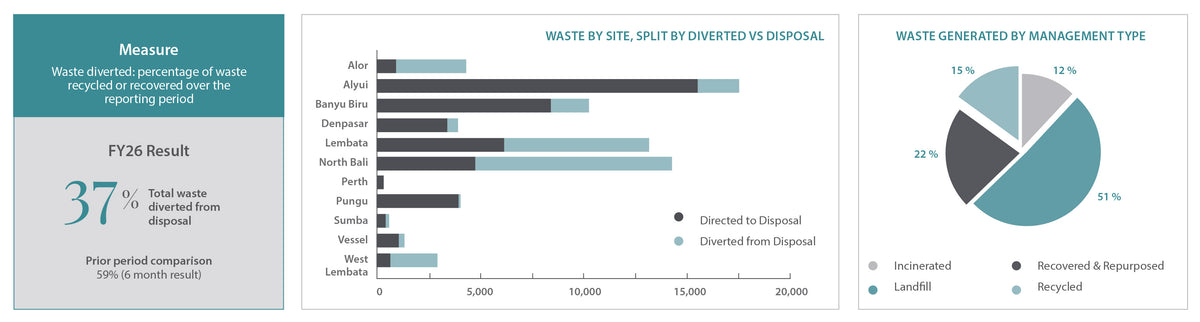
Over the reporting period, Atlas Pearls improved waste segregation, categorisation and record keeping across its sites. These systems help identify opportunities to reuse, recycle or recover materials where practical, while maintaining responsible controls for waste that cannot currently be diverted.
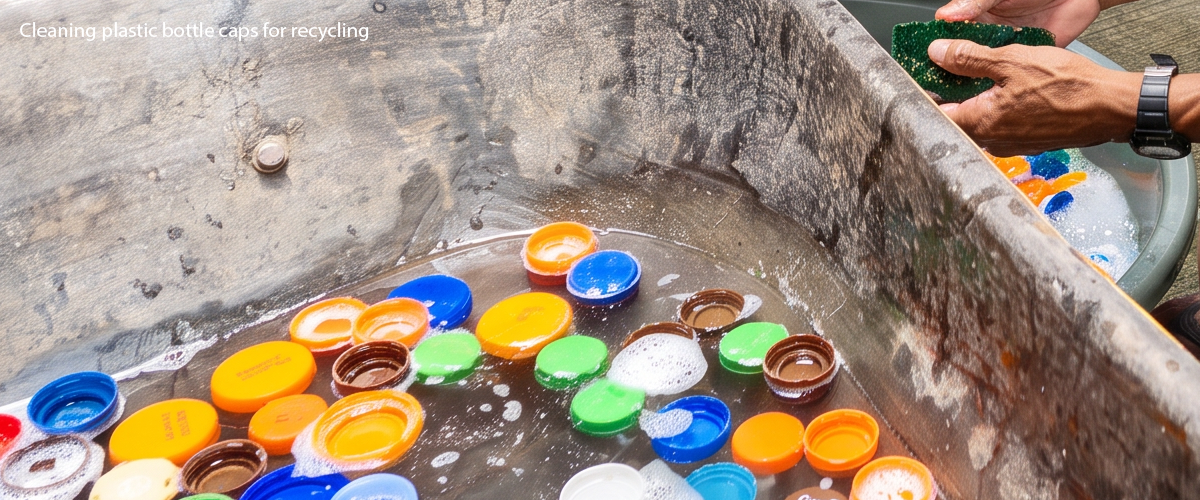
Our waste profile includes a mix of operational and domestic waste generated across our remote coastal sites. Materials such as retired oyster panels, ropes and other operational items are separated where possible and assessed for reuse, recycling or repurposing before disposal is considered.
Where local recycling or landfill pathways are not available, waste management options can be restricted. In these cases, residual waste may be processed through approved incineration facilities, in accordance with local requirements. While incineration is not our preferred outcome, it can be the most responsible available option where waste cannot be safely stored, transported, recycled or landfilled.
Improved site-level waste data and segregation practices help Atlas Pearls understand which materials are being generated, where diversion is possible, and where infrastructure constraints continue to limit waste recovery outcomes.